Allowance Alchemy transforms simple household chores into a dynamic educational journey. By weaving together practical tasks, clear structures, and meaningful conversations, parents can guide children toward understanding the real value of money and the principles of responsible spending. This article explores how thoughtful allowance models cultivate fundamental money management skills and set the stage for lifelong financial confidence.
Why an Allowance is More Than Just Pocket Money
Many families view allowances as small rewards rather than educational tools. Yet when allowances become structured learning opportunities, they teach children to make informed decisions, set goals, and understand consequences. Regular discussions about budgeting and saving normalize financial literacy and encourage transparency.
Introducing an allowance early helps children grasp concepts like delayed gratification and patience. When kids save for a desired item, they learn to weigh immediate enjoyment against future fulfillment, fostering a sense of accomplishment when goals are met.
Structuring a Smart Allowance Framework
Choosing the right allowance model depends on family values and educational priorities. Consider these three popular approaches:
- Fixed Allowance: A consistent amount given regardless of work, focusing on budgeting practice.
- Chore-Based Allowance: Payment for extra tasks that go beyond daily responsibilities.
- Hybrid Model: A base allowance supplemented by earnings for additional chores.
In addition to model selection, decide on a payment schedule that mirrors real life. Weekly distributions offer quick feedback, while bi-weekly or monthly payments teach longer-term planning. Experts recommend beginning with $0.50 per week per year of age as a guideline, then adjusting for your household context.
The Three-Account Allocation System
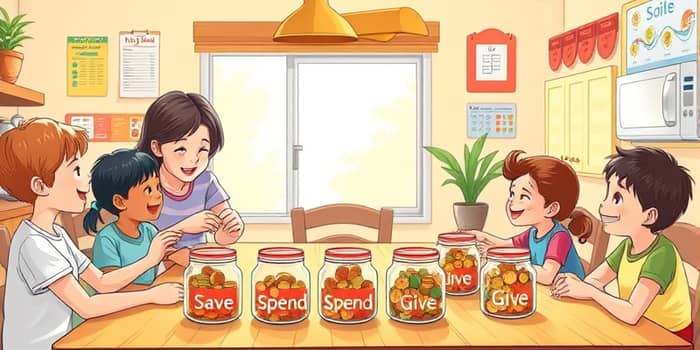
To help children learn diversified money management, divide each allowance into three distinct jars or accounts. This simple system introduces budgeting categories and encourages intentional use of funds.
Older children can automate this split through bank accounts and direct deposit. By physically dividing cash or transferring funds digitally, they internalize the importance of allocating resources wisely and experience the tangible value of currency.
Incorporating Extra Chores for Earning Growth
Extra chores bridge the gap between effort and income, teaching children how real-world jobs generate money. To keep household help intrinsic, restrict pay only to tasks beyond routine responsibilities. Consider establishing an invoice system where kids list completed jobs and submit it for payment, mirroring workplace processes.
- Raking leaves or shoveling snow
- Cleaning car interiors
- Folding laundry for family members
- Organizing the garage or basement
- Bathing pets and grooming beyond feeding
- Preparing weekly meal components
- Documenting and submitting an invoice
This approach builds accountability and helps children practice intrinsic motivation over cash incentives, recognizing that effort and planning lead to reward.
Advancing Financial Literacy Through Real-Life Concepts
As children mature, deepen their financial toolkit by introducing advanced topics. Real conversations and demonstrations cement these ideas better than lectures.
- Understanding loans and interest rates
- Credit card mechanics and responsible use
- Insurance basics, especially with teen drivers
- Investment principles and long-term growth
Comparison shopping and need-versus-want decisions sharpen decision-making. Encourage kids to research unit prices, evaluate quality differences, and consider the broader impact of each purchase. These exercises foster critical thinking and reasoning in everyday contexts.
Fostering Lifelong Habits and Open Communication
Establishing an allowance system is just the beginning. Continuous dialogue about financial choices ensures children reflect on successes and setbacks. Celebrate savings milestones with visual trackers like goal thermometers, and review bank statements together to demystify financial records.
Encourage questions and adapt the system as children grow. Transitioning from cash to bank accounts teaches digital money skills, while occasional penalties for missteps—like borrowing without repayment—demonstrate real consequences. Over time, this collaborative approach nurtures building long-term financial habits and empowers kids to navigate economic challenges confidently.
By treating chores as more than chores—by transforming them into lessons in earning, budgeting, and planning—parents unlock a powerful pathway to financial literacy. Allowance Alchemy reminds us that everyday tasks, when framed thoughtfully, become catalysts for growth, independence, and a lifetime of smart money decisions.
References
- https://www.thrivent.com/insights/budgeting-saving/how-an-allowance-for-kids-teaches-financial-lessons-for-adulthood
- https://mostlyundercontrol.com/2025/04/21/chores-for-money-kids/
- https://www.mypeoples.bank/blog/post/how-to-give-your-children-a-financial-education-through-their-allowance
- https://www.vacu.org/learn/families/how-chores-can-help-kids-build-money-skills
- https://www.ubt.com/learning-center/blogs/starting-early-how-use-allowance-financial-education
- https://www.financialeducatorscouncil.org/chores-for-kids/
- https://www.moneyfit.org/should-you-give-your-kids-an-allowance/
- https://raiseupfamilies.org/blog/family-and-child-well-being/grow-money-smart-kids-easy-ways-to-teach-financial-literacy-at-home-and-school/
- https://blog.getintocollege.com/blogs/2023/06/21/19/51/allowances-a-great-way-to-teach-financial-literacy
- https://abacuswealth.com/the-power-of-kids-allowance-hint-its-not-about-chores/
- https://www.azcentralcu.org/blog/allowances-help-kids-earn-save-spend/
- https://www.consolidatedcredit.org/financial-news/teaching-children-money-can-chore/
- https://midwest.bank/news/2025/08/teaching-kids-to-budget-one-dollar-at-a-time/
- https://gosunward.org/allowance/
- https://www.empower.com/the-currency/money/kids-family-allowances