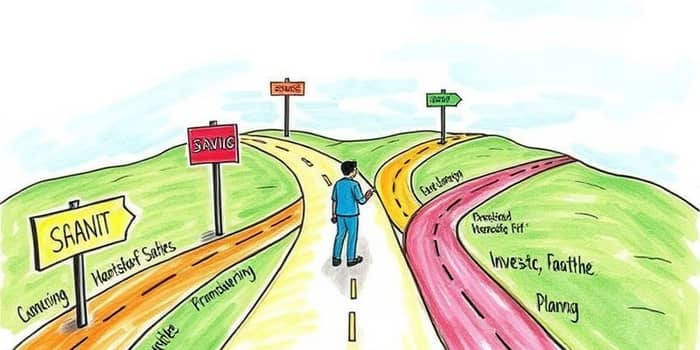
Modern finance is more than numbers and charts; it’s about understanding how human minds truly behave. By integrating insights from behavioral economics, we can harness the power of subtle guidance to build lasting financial wellbeing.
Introduction to Behavioral Economics and Nudges
Traditional theories assume people always choose logically, yet real decisions often stray. Emotions, social influences, and shortcuts shape our financial journey every day. This gap led scholars like Richard Thaler and Cass Sunstein to develop nudge theory—a framework of subtle interventions that guide users without restricting freedom.
In practice, nudges come as in-app notifications, default settings, or timely reminders. They steer individuals toward saving, investing, or reducing debt, while preserving choice. Research shows that simple tweaks—such as automatic enrollment or concise alerts—can drastically improve outcomes in pensions, savings plans, and credit usage.
Common Cognitive Biases and Influences
To design effective nudges, we must recognize persistent biases that lead to suboptimal choices:
Additional factors like fear, greed, scarcity messaging, and channel-specific promotions further manipulate choices. By mapping these influences, decision designers can craft interventions that counteract harmful heuristics and foster positive habits.
Positive Financial Nudges: Examples and Frameworks
Effective nudging follows a structured approach. One leading model is the Moneyhub Nudge Framework, which combines segmentation, event triggers, and sequential prompts to build momentum.
- Audience segmentation to tailor messages for specific goals.
- Event-based triggers like paydays or bill due dates.
- Nudge chaining, where one prompt leads to the next.
Delivery channels span in-app alerts, SMS, and email. Real-world copy examples show how personalized phrasing drives action:
Other proven nudges include:
- Default auto-enrollment in retirement or savings plans.
- Save More Tomorrow schemes that increase contributions over time.
- Regular reminders, such as payday transfer prompts.
Commitment devices—locking funds or using peer accountability apps—provide additional support for those prone to temptation.
Strategies for Intentional Decision-Making
While platforms can guide us, we can also empower ourselves with intentional habits:
- Recognize personal biases and set clear, written goals.
- Automate savings and investments to bypass procrastination.
- Use mental accounting for budgeting, labeling funds by purpose.
- Seek external accountability through financial advisors or peer groups.
- Prioritize transparency and autonomy over blanket restrictions.
By combining automated systems with conscious reflection, individuals can turn good intentions into consistent actions and guard against impulsive decisions.
Real-World Applications and Evidence
Empirical studies underscore nudge effectiveness. In the UK, auto-enrollment in pension schemes pushed participation from under 50% to over 90%. Reminders have been shown to increase regular savings contributions by measurable margins. Commitment savings products in emerging markets helped participants accumulate significant reserves against income shocks.
Thaler and Sunstein’s landmark Save More Tomorrow program demonstrated that gradual contribution increases can nearly double retirement savings within a few years. Across sectors, these interventions highlight how small changes to choice architecture yield outsized benefits.
Risks and Ethical Considerations
Despite their promise, nudges can be misused. Financial institutions may exploit anchoring or scarcity to extract more profit, pushing consumers toward detrimental products. Ethical design demands transparency, user-centricity, and rigorous testing to avoid unintended harm.
Under emerging consumer duty regulations, providers are called to proactively prevent harm and tailor nudges to genuine needs. Responsible nudging respects autonomy, offers clear opt-outs, and ensures that interventions align with long-term wellbeing.
As individuals, staying informed about the mechanics of nudges empowers us to resist manipulation and harness these tools for personal benefit. When platforms and users collaborate on a foundation of trust and accountability, subtle guidance becomes a force for positive change in every wallet and every future.
References
- https://moneyhub.com/glossary/nudges-in-financial-services/
- https://papers.ssrn.com/sol3/papers.cfm?abstract_id=3887605
- https://www.comviva.com/blog/nudges-and-influences-in-financial-services/
- https://imarticus.org/blog/behavioral-economics-in-financial-decision-making/
- https://www.shortform.com/blog/financial-nudges/
- https://www.donnelly-boland.com/post/how-behavioral-economics-can-improve-your-financial-decision-making
- https://www.bajajamc.com/knowledge-centre/behavioural-nudges-in-financial-decisions
- https://online.utpb.edu/about-us/articles/business/the-role-of-behavioral-economics-in-investment-decision-making
- https://en.wikipedia.org/wiki/Nudge_theory
- https://smlny.com/behavioral-economics-and-how-it-affects-your-financial-decisions-revisited/
- https://www.youtube.com/watch?v=Qz8ipylcEd0
- https://www.abacademies.org/articles/behavioral-finance-the-psychology-behind-financial-decisionmaking-16266.html
- https://www.financialplanningassociation.org/learning/publications/journal/MAR24-benefits-behavioral-nudges-using-choice-architecture-improve-decisions-and-shape-outcomes-OPEN