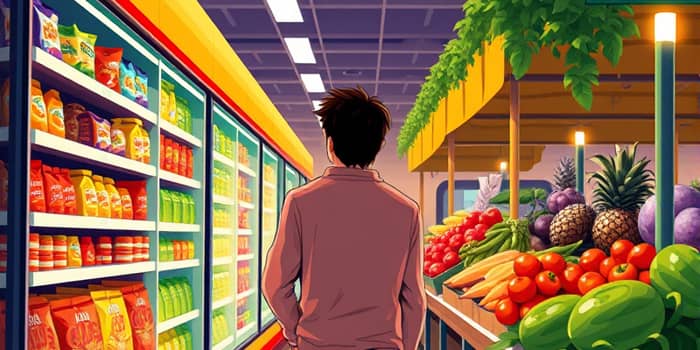
Every day, millions of shoppers step through the automatic doors of convenience stores, drawn by the promise of speed, proximity, and one-stop access to essentials. These compact outlets have evolved from humble corner shops into bustling hubs offering everything from freshly brewed coffee to ready-to-eat meals, fueling a global market that is on a rapid rise.
Yet behind the bright signage and stocked shelves lies a deeper question: what are we truly paying for convenience? Beyond the price tag, our choices ripple out to our budgets, our health, and even the environment. By shining a light on these hidden costs, we can learn to navigate the convenience revolution with intention and care.
Understanding Our Modern Convenience Ecosystem
Recent data reveals a staggering trajectory: global convenience store market valuations are forecast to reach $3.1 trillion by 2030, while U.S. sales soared to $48.7 billion in 2025, despite a temporary 7.9% dip in Q2 fuel revenues.
These outlets thrive because shoppers prioritize proximity and speed—over 80% of Americans visited a convenience store in the past year, with the typical shopper dropping in more than three times weekly. Yet even as foot traffic remains high, the average basket size holds at just $7.34, underscoring the power of incremental spending.
The Hidden Costs in Your Basket
It’s easy to overlook how quickly small purchases accumulate. A daily $2 coffee run adds up to over $700 annually, while impulse grabs of baked goods and snacks can stealthily inflate grocery bills.
Moreover, balancing ease and cost extends beyond dollars. Frequent convenience store visits often mean forgoing healthier meal planning, leading to nutritional gaps and missed savings from bulk buying or cooking at home. Loyalty programs can offer rewards, but only if we evaluate your habitual purchases and redeem points strategically rather than chasing every promotion.
Strategies for Mindful Convenience
In a world that demands speed, cultivating a mindset of intentional shopping can transform how we interact with convenience. Here are practical approaches to keep both convenience and cost in harmony:
- Plan quick trips with purpose: Jot down your must-haves before heading out to avoid impulsive pickups.
- Leverage loyalty and mobile apps: Capture personalized deals and bundle offers that align with your regular purchases.
- Seek better-for-you alternatives: Opt for protein-rich snacks or sugar-free beverages to balance indulgence and wellness.
- Set a weekly spending limit: Allocate a realistic budget for convenience store visits, and stick to it by tracking receipts or using budgeting apps.
By embracing mindful consumption, each visit shifts from a mindless routine to an opportunity for smarter choices that support your goals.
Data at a Glance
Key industry metrics highlight where growth and opportunity intersect. Below is a concise summary of pivotal figures shaping the convenience landscape:
Looking Ahead: The Future of Wise Consumption
As technology continues to evolve, so will our expectations. Self-checkout lanes now cut wait times by around 30%, and digital screens inside stores influence one-third of purchases. Meanwhile, the rise of EV charging points—present in 9% of locations—signals how convenience retailers are adapting to future mobility needs.
Yet the most profound shift may lie in the customer mindset. With 67% of global consumers ready to switch brands for lower prices, loyalty alone will not guarantee foot traffic. Shoppers will demand unlocking better value and savings, even as they crave speed and ease.
By 2025, delivery services will command over one-fifth of global food spending, cementing the “bring-it-to-me” era. This increased focus on frictionless experiences will raise the bar, making navigating the choice landscape more complex but also more rewarding for those who plan ahead.
Ultimately, true convenience transcends spontaneity. It lies in the art of preparation, the wisdom to pause, and the willingness to weigh immediate gratification against long-term benefit. When we choose thoughtfully—whether it’s a fuel fill-up, a midday snack, or a last-minute meal—we become architects of our own wellbeing and prosperity.
As you approach the next convenience store stop, ask yourself: am I feeding a habit, or am I making a deliberate choice? Let each decision reflect not only the ease you seek today but also the savings, health, and satisfaction you desire tomorrow.
References
- https://www.amraandelma.com/convenience-store-marketing-statistics/
- https://www.emarketer.com/content/5-key-stats-about-what-convenience-means-2025
- https://www.convenience.org/Media/Daily/2025/September/16/3-Retail-Spending-Grew-in-August_Finance
- https://www.prnewswire.com/news-releases/the-ongoing-evolution-of-convenience-store-shoppers-loyal-frequent-and-looking-for-more-according-to-acosta-group-302576505.html
- https://www.circana.com/post/u-s-c-store-landscape-q2-2025-trends-challenges-and-opportunities
- https://www.mckinsey.com/industries/consumer-packaged-goods/our-insights/state-of-consumer
- https://nielseniq.com/global/en/insights/analysis/2025/future-of-convenience-stores/