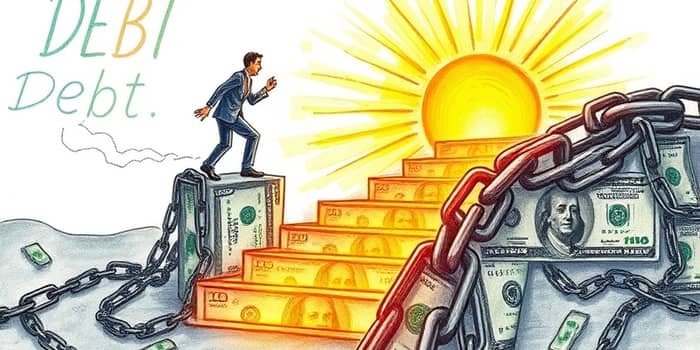
Debt can feel like an unending shadow, eroding confidence and limiting dreams. Yet with the right plan, you can reclaim control and chart a path to financial freedom. This playbook combines proven strategies, inspirational stories, and practical steps to help you eliminate debt and build lasting resilience.
Understanding Your Debt Landscape
Before you mount an assault on debt, you must know your terrain. Mapping out every liability provides clarity for informed decision making and sets the stage for focused action.
- List all debts with amounts, interest rates, and due dates.
- Identify high fees, penalties, and variable-rate loans.
- Check credit reports for accuracy and hidden obligations.
- Rank debts by balance, interest rate, or emotional weight.
With a clear snapshot of your obligations, you can prioritize effectively, reduce surprises, and set realistic goals.
Choosing Your Payoff Path
Selecting the right debt elimination method is key. Whether you crave quick wins or aim to minimize interest, there’s a tactic that aligns with your personality and financial profile.
Pay off debts from smallest to largest with the Snowball Method. It builds psychological momentum through quick wins and is ideal if you need frequent motivation. List debts by balance, pay the minimum on all but the smallest, then pour extra funds into that tiny target. Celebrate each elimination, then roll its payment into the next.
For big spenders on high-interest loans, the Avalanche Method prioritizes the steepest rates first. By prioritizing highest-interest debts first, you minimize the total interest paid over time. This technique requires patience, but the long-term savings can be substantial. Continue making minimum payments everywhere, directing all extra dollars toward the highest-rate balance.
Debt Consolidation can simplify multiple balances into one manageable loan. Use a balance-transfer card, personal loan, or home-equity option if you qualify for better rates. The benefit is one single monthly payment, but only proceed if the new rate is lower and fees are reasonable.
Beyond those core methods, consider these tactics:
- Make extra payments above minimums; even consistent small payments each month accelerate payoff.
- Negotiate with creditors for lower rates or waived fees.
- Explore accredited debt management programs for professional guidance.
Foundational Steps for Sustainable Progress
Strategies matter, but fundamental habits sustain success. Integrate these steps into your routine to avoid setbacks and reinforce momentum.
- Stop incurring new debt: focus on stopping new debt as you repay existing balances.
- Create a realistic budget using methods like 50/30/20: necessities, wants, and savings.
- Set clear goals with payoff dates and celebrate each milestone.
- Review progress monthly and adjust budgets when income or expenses change.
Key Principles to Keep You on Track
No plan succeeds without discipline. Embed these principles into your mindset and daily actions:
Any payment beats no payment—even small contributions reduce principal and interest. Remember, early action fuels long-term savings. Consistency creates momentum; treat debt reduction as a non-negotiable bill.
Maintain flexibility. Life events may require you to adapt your strategy, but never abandon progress. When setbacks arise, recommit immediately by increasing efforts elsewhere.
Accountability is powerful. Share your goals with a trusted friend or partner, track your wins publicly, or join a financial support community. Track payments and progress regularly to stay motivated and informed.
Real-World Inspiration: A Success Story
Meet Clara, a young teacher burdened by four credit cards and student loans. She started with the Avalanche Method but felt discouraged by slow visible progress. Switching to the Snowball Method reignited her drive. She paid off a $500 balance in two months, then tackled a $1,200 balance. By rolling the freed payment into her student loans, Clara cleared $20,000 of debt in under three years.
Clara’s triumph came from a simple shift: she combined consistent small payments each month with regular budget reviews. She automated transfers, celebrated each payoff with a small treat, and shared her milestones with friends. Today, she channels the energy she once spent on debt into saving for a down payment on her first home.
Taking the First Step Today
Your journey begins now. Choose a method that resonates, map out your debts, and commit to daily actions. Remember, every dollar you allocate toward debt is a brick removed from the wall between you and freedom.
Equip yourself with this playbook, embrace the principles, and watch as each step—not matter how small—accelerates you toward a life unburdened by financial weight. The path may challenge you, but the view from the summit is worth every effort.
References
- https://dfpi.ca.gov/news/insights/three-steps-to-managing-and-getting-out-of-debt/
- https://employeeinfo.dev2.navyfederal.org/content/nfo/en/home/makingcents/credit-debt/debt-repayment-strategies.html
- https://www.equifax.com/personal/education/debt-management/articles/-/learn/paying-off-debt-strategies/
- https://www.bairdwealth.com/insights/wealth-management-perspectives/2022/08/5-strategies-for-paying-off-credit-card-debt/
- https://www.navyfederal.org/makingcents/credit-debt/debt-repayment-strategies.html
- https://www.wellsfargo.com/goals-credit/smarter-credit/manage-your-debt/snowball-vs-avalanche-paydown/
- https://www.consumerfinance.gov/about-us/blog/how-reduce-your-debt/
- https://www.nerdwallet.com/finance/learn/pay-off-debt
- https://consumer.ftc.gov/articles/how-get-out-debt
- https://www.tiaa.org/public/learn/personal-finance-101/debt-consolidation
- https://www.militaryonesource.mil/resources/millife-guides/paying-off-debt/
- https://www.fidelity.com/viewpoints/personal-finance/how-to-pay-off-debt