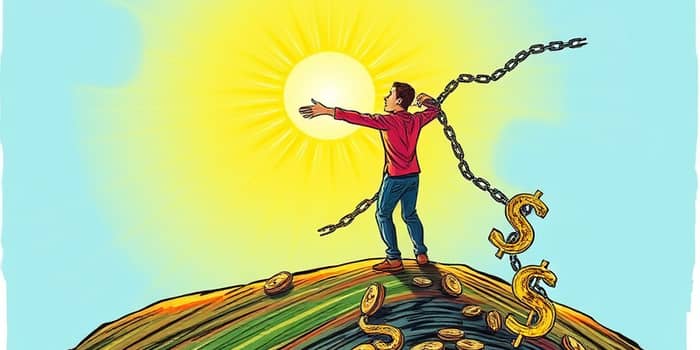
Imagine a life where your income is entirely yours to control, untouched by the burdens of debt. Financial freedom and peace of mind are not just dreams but attainable realities.
This guide provides a detailed blueprint to help you escape the cycle of debt and build a secure future. Transform your financial habits with actionable steps and real-world examples.
By embracing this journey, you can unlock stability and long-term security that lasts a lifetime. Let's dive into the path to liberation.
Why Become Debt-Free? Benefits and Motivation
Living without debt offers profound advantages that extend beyond your bank account. Frees up take-home pay for what truly matters to you.
Picture using that money for emergency funds, college savings, or even early retirement. Reduces stress and improves mental health significantly.
To stay motivated, find your personal "why." Envision specific goals like a gap year or retiring early.
- Enjoy financial stability and avoid high-interest cycles such as credit card debt.
- Achieve peace of mind by eliminating monthly payment anxieties.
- Focus on personal aspirations without financial constraints holding you back.
These benefits create a ripple effect, enhancing every aspect of your life.
Budgeting Fundamentals
Creating a realistic budget is the cornerstone of debt-free living. Track monthly income versus expenses using tools like spreadsheets or apps.
Identify areas to cut back, such as subscriptions or dining out. Apply the 50/30/20 Rule to allocate after-tax income wisely.
This rule splits money into 50% for needs, 30% for wants, and 20% for savings or extra debt payments.
- Differentiate essentials from impulses to prioritize needs over wants.
- Monitor spending daily to stay mindful and adjust overspending promptly.
- Use zero-based budgeting or the envelope system for better control.
Tweaking this approach can accelerate your debt payoff journey.
Building Savings Habits to Avoid New Debt
Establishing strong savings habits prevents falling back into debt. Automate savings transfers to make consistency effortless.
Aim for an emergency fund covering 3-6 months of living expenses. Protect yourself from surprises without relying on credit.
Treat savings as non-negotiable, reserving them for life goals, not emergencies.
- Save small amounts daily, like skipping a latte to free up $20 weekly.
- Cancel unnecessary streaming services and cook at home for top savings.
- Utilize free entertainment options such as parks or libraries.
These habits build a financial cushion that supports your debt-free goals.
Debt Repayment Strategies
Choosing the right repayment method can make your journey faster and more manageable. Focus extra payments while covering minimums on all debts.
Apply windfalls like bonuses directly to debt for a significant boost.
- Consider debt consolidation to simplify payments and lower interest rates.
- Stay disciplined by rolling payments from one debt to the next as you progress.
This approach turns debt reduction into a systematic, achievable process.
Smart Spending and Credit Habits
Adopting wise spending practices is crucial for maintaining debt-free status. Pay credit card balances in full monthly to avoid interest charges.
Limit credit card use and prefer cash or debit for everyday purchases. Avoid Buy Now, Pay Later schemes that can lead to hidden debt.
Cut impulse buys by implementing a 48-hour waiting rule for non-essential items.
- Negotiate bills annually, such as for insurance or wireless services, to reduce costs.
- Cook at home and seek low-cost entertainment to minimize expenses.
- Choose credit cards with low rates and rewards that align with your spending.
These habits ensure you live within your means without accruing new debt.
Boosting Income for Acceleration
Increasing your income can dramatically speed up your debt payoff timeline. Explore side hustles like freelancing or selling items online.
For example, earning an extra $500 monthly can pay off $6,000 in debt within a year. Upskill for career advancement to secure raises or promotions.
Sell unused belongings for lump sums that you can apply directly to your debt.
- Freelance skills in design or social media for flexible income opportunities.
- Engage in gig work such as ridesharing or pet sitting for additional cash flow.
- Invest in education or training to enhance your earning potential long-term.
This proactive approach empowers you to take control of your financial future.
Long-Term Planning and Maintenance
Sustaining a debt-free life requires ongoing effort and strategic planning. Set specific short and long-term goals like retiring by age 50.
Review these goals regularly to stay on track and motivated. Invest wisely after debt elimination to build wealth for retirement.
Continuously educate yourself on personal finance through apps or books.
- Live within your means by budgeting habitually and avoiding new credit.
- Build an investment portfolio to secure your financial future beyond debt freedom.
- Celebrate small wins to maintain momentum and positive financial habits.
This holistic approach ensures lasting liberation and a prosperous life ahead.
References
- https://www.wise-ny.org/blog/debt-free-living-5-things-to-start-immediately-for-a-debt-free-life-guest-post-by-aatish-khanna-of-money-club/
- https://parachutecreditcounseling.org/a-quick-guide-to-a-debt-free-life/
- https://www.prosper.com/blog/10-habits-of-debt-free-people
- https://www.sofi.com/learn/content/becoming-debt-free/
- https://www.nerdwallet.com/finance/learn/debt-free
- https://nylag.org/unlocking-financial-freedom-overcome-debt-with-savings-strategies-that-work-for-you/
- https://www.discover.com/online-banking/banking-topics/how-to-get-out-of-debt/
- https://www.militaryonesource.mil/resources/millife-guides/paying-off-debt/