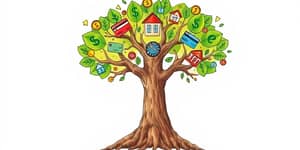
In today’s complex economic landscape, being an informed consumer is not just advantageous—it’s essential. With staggering financial literacy gaps affecting Americans of all ages, making thoughtful, educated money decisions can lead to stability, growth, and peace of mind.
The National Crisis: A Worsening Landscape
Despite the proliferation of financial tools and resources, U.S. adults consistently answer only 49% of basic financial questions correctly. This alarming stagnation has persisted since 2017, even as personal finance grows more intricate.
In 2023 alone, Americans lost an estimated $388 billion due to financial illiteracy. These losses erode individual security and collectively undermine economic resilience.
Low financial literacy has real costs: increased debt, limited savings, and heightened anxiety. When nearly one in four adults falls into the “very low” literacy category, the ripple effects touch families, communities, and the broader economy.
Generational Divide: Who Is at Risk?
Financial knowledge varies sharply by generation. Gen Z, the newest entrants to the workforce, score lowest—correctly answering just 38% of questions. Many struggle with basic concepts, often answering fewer than seven out of twenty-eight questions.
Millennials (Gen Y) fare slightly better at 45% correct, but only 24% can answer four out of five key questions accurately. Gen Xers display relative optimism yet still reveal critical gaps, especially in planning for future needs. Even Baby Boomers, with a 55% success rate, often answer fewer than half of retirement-specific questions correctly.
These patterns underscore a vital point: age does not guarantee financial fluency. Without targeted education, each generation faces unique vulnerabilities.
Systemic Inequalities: Gaps by Gender and Income
Financial literacy intersects deeply with income, gender, and race. Men average 53% correct answers on the P-Fin Index, while women score between 43% and 52%, a gap of up to 10 percentage points internationally. Hispanic and Black Americans also face significant literacy barriers.
A closer look at income reveals steep disparities:
Only 40% of adults with a high school education or less demonstrate basic literacy, and 22% of U.S. adults remain unbanked or underbanked. These figures highlight the urgent need for tailored educational initiatives that address specific community challenges.
Knowledge Gaps: Where We Struggle Most
Certain financial topics pose greater difficulty across demographics. Risk comprehension ranks lowest—just 36% of Americans understand key concepts about market fluctuations and potential outcomes. Retirement planning follows closely, with only 37% correctly answering related questions on Social Security and Medicare.
To clarify where knowledge is most needed, consider the eight key personal finance areas assessed by the P-Fin Index:
- Saving
- Insuring
- Investing
- Risk comprehension
- Debt management
- Spending
- Borrowing
- General financial planning
Understanding these fundamentals builds the foundation for confident decision-making. Ignoring them can lead to costly mistakes and missed opportunities.
Behavioral Consequences: The Human Cost
Low financial literacy isn’t just a statistical issue—it carries profound emotional and practical burdens. Adults with very low literacy are twice as likely to be debt-constrained and three times more likely to be financially fragile. They spend an average of 20+ hours per week wrestling with money issues, time that could be directed toward work, family, or personal growth.
Financial anxiety affects 30% of Americans at high levels, often triggering stress-related health problems and strained relationships. Conversely, individuals with strong literacy demonstrate resilience, lower debt constraints, and an ability to navigate economic uncertainties with confidence.
The protective benefits of high financial literacy include:
- Lower risk of overwhelming debt
- Greater emergency savings and preparedness
- Enhanced retirement readiness and stability
- Increased confidence in financial decision-making
Educational Solutions: Pathways to Empowerment
Building financial literacy requires multi-layered approaches, from early education to lifelong resources. Only 27% of students are offered standalone finance courses, and just 19% of adults recall any educational content from schools, colleges, or employers.
Experts stress the importance of critical financial decision-making skills and recommend initiatives that are:
- Generationally tailored, addressing the unique needs of Gen Z, Millennials, Gen X, and Boomers
- Accessible in community centers, workplaces, and online platforms
- Supported by financial professionals who offer clear, actionable guidance
- Reinforced through real-world simulations and ongoing mentorship
Policy makers and educators must collaborate to bridge generational educational gaps. Solutions might include mandatory high school finance courses, employer-sponsored workshops, and affordable online certifications. Financial advisors can also offer pro bono clinics in underserved communities, helping individuals transform knowledge into lasting wealth.
Taking Control: Steps for the Informed Consumer
Empowerment begins with small, consistent actions. Whether you’re a student, professional, or retiree, you can strengthen your financial foundation:
- Commit to learning one new concept monthly—start with budgeting or risk management.
- Use reputable online tools and calculators to plan savings and investments.
- Seek advice from certified professionals; don’t hesitate to ask questions.
- Create a personalized financial roadmap, setting clear short- and long-term goals.
- Engage peers and family in discussions to reinforce understanding and accountability.
By adopting these habits, you can build momentum, reduce anxiety, and unlock the benefits of being a truly empowered, confident financial steward.
Conclusion: Embracing a Brighter Financial Future
Financial literacy is at the heart of personal empowerment. As the data illustrates, the cost of ignorance is high—but the potential rewards of education are even greater. By acknowledging the challenges and actively pursuing knowledge, each of us can chart a course toward stability, growth, and lasting prosperity. Take control today, embrace lifelong learning, and become the informed consumer your future self will thank.
References
- https://www.tiaa.org/public/about-tiaa/news-press/press-releases/2025/06-09
- https://moneyzine.com/personal-finance/financial-literacy-statistics/
- https://wifitalents.com/financial-literacy-statistics/
- https://www.intuit.com/blog/innovative-thinking/financial-tips/financial-literacy-statistics/
- https://www.occ.gov/publications-and-resources/publications/community-affairs/financial-literacy-digest/financial-literacy-digest-winter-2026.html
- https://carry.com/learn/how-financially-literate-is-america-key-stats
- https://wealthwave.com/williebillings/blog/the-financial-literacy-emergency-of-2026
- https://www.ici.org/25-view-financial-literacy