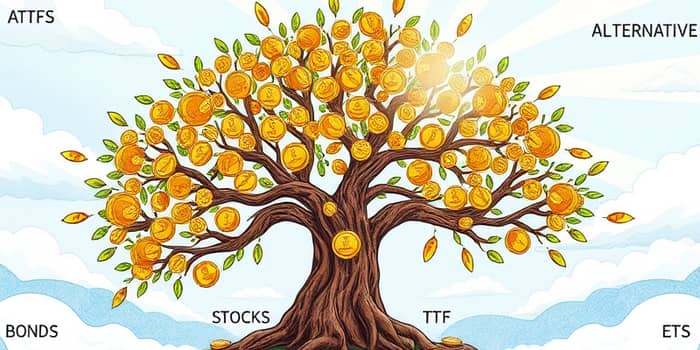
Embarking on an investment journey can feel overwhelming, but with a clear roadmap, anyone can learn to grow their wealth and manage risk effectively. This playbook guides you from essential principles to sophisticated techniques, empowering you to make informed decisions.
Foundational Concepts
Investing means making decisions that align your capital with opportunities expected to grow over time.
When you invest, you put your money to work for you through asset ownership and income generation.
The cornerstone of successful investing is maintaining a long term horizon balancing risk and reward, allowing compounding to work its magic.
Getting Started: Practical Requirements
Before diving in, you need an investment account—whether a general investing account, pension, or ISA. Opening an account is straightforward:
Step one: complete the application. Step two: fund your account by bank transfer or debit card. Step three: select your investments based on your goals and tolerance.
- ISAs, pensions, general accounts: £500 minimum
- Lifetime ISAs, Junior ISAs: £100 minimum
- Income-focused strategies: from £10,000
Remember, start small and build consistency over time—you don’t need a fortune to begin.
Core Asset Classes
Your portfolio’s foundation is built on several primary asset classes. Each serves a distinct purpose:
Beyond traditional assets, many investors explore alternatives to further diversify.
- Private equity: high-return but longer lock-up periods
- Private credit: lending directly to businesses for attractive yields
- Real estate: income and appreciation through property or funds
Alternative investments can offer unique benefits but often carry additional complexity and risk.
The Power of Compound Growth
Compounding is the engine that drives wealth accumulation. You earn returns not only on your original investment but also on the returns you’ve already earned.
For example, a £100 investment at 5% annually yields £5 in the first year. Reinvest those earnings, and the next year your 5% return grows to £5.25, and so on.
Watch your returns snowball over time by reinvesting dividends and interest, accelerating growth as the years go by.
Portfolio Construction & Balance
Designing a well-balanced portfolio involves choosing allocations that reflect your goals, time horizon, and risk tolerance.
Typically, a mix of equities and bonds reduces volatility while pursuing growth. You can also fine-tune allocations to target themes like technology or sustainable investments.
An example allocation might be a 70:30 ratio between bonds and stocks, which aims to dampen swings while capturing upside potential. Don’t forget liquidity: ensure you have enough accessible assets for short-term needs.
Tailor your portfolio to your life, adjusting allocations as you approach milestones such as retirement, purchasing a home, or funding education.
Risk Management Strategies
Effective risk management protects your capital and smooths your investment journey through market cycles.
Protect your capital in downturns by diversifying across asset classes, sectors, and geographies—no single setback can derail your progress when you spread exposure.
Diversification involves holding a variety of investments so poor performance in one can be offset by gains in another.
Dollar-Cost Averaging means investing fixed amounts on a regular schedule, removing timing risk and promoting disciplined habits regardless of market swings.
Advanced Hedging Techniques can add a layer of defense. Common approaches include:
- Purchasing put options to limit downside on your holdings
- Using futures contracts to lock in commodity or currency prices
- Employing currency hedges to guard against exchange-rate volatility
Position Sizing and Rebalancing help you adjust exposures when certain assets drift from target weights, preserving intended risk levels.
Asymmetric Risk-Reward Strategy focuses on opportunities offering limited downside but greater potential upside, balancing ambition with caution.
Conclusion
From understanding what investing entails to deploying sophisticated protections, this playbook equips you for every stage of the journey.
By combining long-term vision with disciplined execution, you can navigate uncertainty, capture opportunities, and take control of your financial future.
Remember, investing is not a sprint but a marathon. Stay informed, stay focused, and let these strategies guide you toward lasting wealth and peace of mind.
References
- https://www.personalinvesting.jpmorgan.com/guides/investing-for-beginners
- https://www.horizoninvestments.com/risk-management-strategies-professional-guide-to-investment-protection/
- https://www.youtube.com/watch?v=gMyVHBhDvz4
- https://www.wiseradvisor.com/blog/investment-management/the-6-key-strategies-for-managing-investment-risks/
- https://www.td.com/ca/en/personal-banking/personal-investing/learn/investing-101-basics
- https://aldeninvestmentgroup.com/blog/investment-risk-management-strategies/
- https://investor.vanguard.com/investor-resources-education/article/how-to-start-investing
- https://www.schwab.com/learn/story/ways-to-help-reduce-risk-your-portfolio
- https://www.wealthsimple.com/en-ca/learn/investing-basics
- https://www.americancentury.com/insights/investment-risk-management/
- https://www.investor.gov/introduction-investing
- https://www.sofi.com/learn/content/investment-risk-management/
- https://www.ers.texas.gov/news/investing-101-a-beginner-s-guide-to-growing-your-money
- https://www.utam.utoronto.ca/managing-risk/managing-investment-risk/
- https://www.fidelity.com/learning-center/trading-investing/investing-for-beginners