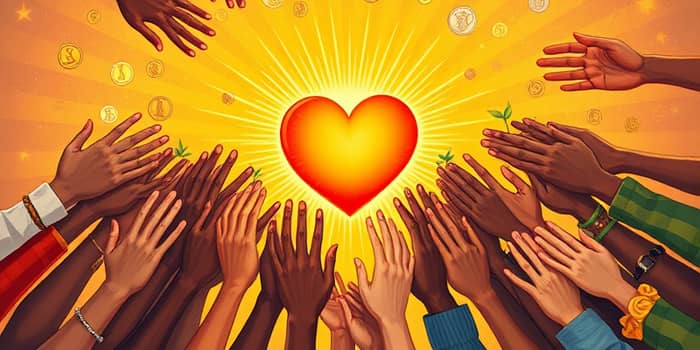
Philanthropy is more than a transfer of resources—it is a profound meeting of hearts, a conscious decision to invest in human potential. Research shows that sustained happiness through generous acts outlasts the fleeting joy of receiving. In this article, we explore the science behind giving and offer practical guidance to maximize both impact and personal fulfillment.
Psychological Foundations of Generosity
At its core, charitable behavior springs from deep-seated emotional drivers. Empathy and compassion fuel generosity, compelling us to ease suffering when we identify ourselves with those in need. Beyond empathy, the human search for meaning often leads individuals to dedicate time and money to causes that align with their values.
Key motivations include:
- Sense of duty and social responsibility: 96% of donors feel obliged to contribute to the common good.
- Belief in mission impact: Donors cite making a real difference as their top reason to give.
- Connection to community: 27% of givers prioritize supporting local initiatives.
Harnessing the Warm Glow Effect
When we give, our brains light up in areas linked to reward and satisfaction. This warm glow of charitable giving fosters pride, purpose, and better self-esteem. Unlike receiving, which loses its novelty over time, acts of kindness sustain long-term emotional benefits.
Timing and choice play critical roles. Studies reveal that volunteers feel happiest during the act of giving itself, especially when they decide how their contributions are used. Autonomy enhances the positive sensation, while mandated donations often feel less gratifying.
Evidence-Based Fundraising Strategies
Nonprofits and donors alike can apply psychological insights to optimize contributions. Consider these proven approaches:
- Suggest specific donation amounts: Asking for $10 or $20 yields more gifts than a vague request.
- Use gift framing: Labeling contributions as gifts reduces social distance and boosts giving.
- Adopt promotion-focused language: Highlight goals and positive outcomes rather than risks and deficits.
Moreover, leadership involvement is pivotal. Data from over 12,000 nonprofits shows that when board members give generously, external donors follow suit. Their example builds credibility and inspires confidence.
Leveraging the Cascade Effect
Philanthropy begets philanthropy. A 2023 study found that participants in a charity-linked shopping program were significantly more likely to donate future raffle winnings. This cascade of prosocial behavior demonstrates that positive emotions from one giving experience prime us for more generosity down the line.
Nonprofits can design early, joyful volunteering or micro-giving opportunities to trigger this effect. By creating accessible, positive entry points, organizations cultivate a culture where giving becomes habitual and self-reinforcing.
Large Unrestricted Gifts and Organizational Impact
While targeted grants are valuable, large unrestricted gifts empower nonprofits to respond dynamically to emerging needs. Consider these findings from research on major philanthropists:
Recipients of unrestricted funding report reduced burnout, enhanced innovation, and greater resilience. When donors trust organizations with flexible resources, they enable more strategic, long-term planning.
Building a Strategic Giving Framework
To make philanthropy both meaningful and effective, donors should:
- Articulate personal success criteria: Define what impact looks like for you.
- Engage in continuous feedback loops: Regularly assess outcomes and adjust strategies.
- Partner with community leaders: Center voices with lived experience of the issues.
Strategic philanthropy transcends check-writing. It involves listening, co-creating solutions, and aligning resources with community-defined priorities. This approach not only amplifies impact but also fosters equity and trust.
Conclusion: The Gift That Keeps Giving
Understanding the psychology of generosity reveals that giving is as much a gift to the donor as it is to the recipient. When we give with intention—guided by evidence and empathy—we unlock a cycle of joy, purpose, and systemic change.
By embracing these smart philanthropy choices, you can transform fleeting impulses into enduring legacies. Each act of giving, whether large or small, carries the potential to ignite hope, strengthen communities, and enrich lives—including your own.
References
- https://bloomerang.com/blog/5-research-based-fundraising-strategies-for-modern-campaigns/
- https://www.library.hbs.edu/working-knowledge/why-giving-to-others-makes-us-happy
- https://www.geofunders.org/news/using-organizational-strategy-to-inform-philanthropic-effectiveness/
- https://insight.kellogg.northwestern.edu/article/take-5-the-psychology-of-charitable-giving
- https://cep.org/news/press-releases/research-shows-mackenzie-scotts-large-unrestricted-gifts-create-sustained-impact-for-nonprofits-and-communities/
- https://www.lesswrong.com/posts/hEqsWLm5zQtsPevd3/optimal-philanthropy-for-human-beings
- https://pmc.ncbi.nlm.nih.gov/articles/PMC10794476/
- https://www.bridgespan.org/insights/six-questions-to-more-effective-philanthropy
- https://ampsychfdn.org/psyc-philanthropy/
- https://cep.org/resources/research-approach/
- https://www.ncfp.org/download/overcoming-psychological-barriers-giving-july-2024-0
- https://pacscenter.stanford.edu/research/effective-philanthropy-learning-initiative/becoming-a-more-effective-giver/
- https://www.philanthropy.com/solutions/playbooks/how-to-tap-into-the-psychology-of-giving/