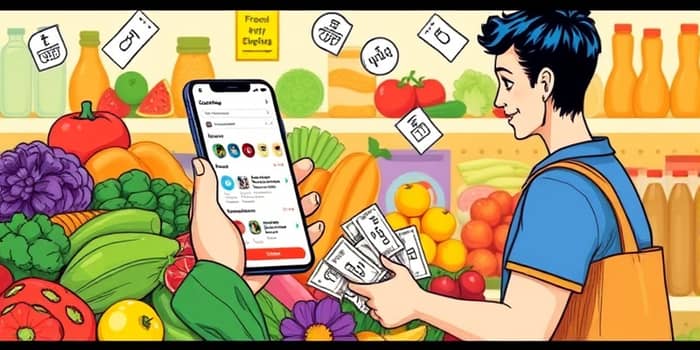
In 2026, tightening budgets and rising prices make spending less without sacrificing value more important than ever. Smart shopping is no longer just clipping coupons; it’s a holistic approach rooted in research, planning, and strategy.
Statistics show that meal planning and smart lists can cut grocery bills by 20–30% and that switching to store brands saves 20–30% on staples and up to 78% on toiletries. Small habits—like skipping one coffee run monthly—can yield $330 in extra savings each year.
Foundational Principles: Planning, Prioritization, Awareness
Mastering value starts with three pillars. First, weekly budget check-ins and reviews keep you on track. Allocate funds for essentials such as groceries, utilities, and health, then assign a realistic budget for discretionary categories.
Second, set clear priorities. Rank spending into essentials (food, medicine), value items (pet supplies), and wants (entertainment). With your top needs covered, any additional funds flow toward enjoyable extras.
Third, cultivate awareness. Use a 24-hour rule before impulse buys and monitor unit prices and brand comparisons on every receipt. Over time, these small decisions transform impulses into intentional investments.
- Plan purchases around weekly promos and seasonal sales.
- Review past receipts to spot wasted spending.
- Set daily limits to prevent overspending.
Grocery Shopping Strategies (Largest Expense Category)
Groceries often make up the largest monthly expense. Meal planning for three to seven days, checking your pantry first, prevents duplicate purchases and waste. Maintain a "use soon" list for ingredients nearing expiration and incorporate them into soups or stir-fries.
Group your shopping list by store sections—produce, dairy, proteins—to streamline trips. Aim for one main grocery run weekly with small top-up visits for fresh items.
Comparing prices by unit (price per ounce or pound) reveals true bargains. Sometimes larger packages cost less per unit; other times smaller, on-promotion sizes win out.
Allocate a modest snacks budget around staples like fruit, yogurt, and nuts to curb impulse treats without feeling deprived.
General Shopping Tactics Across Categories
Beyond groceries, smart shoppers leverage online tools and timing to secure deals.
- Use price-tracking extensions (Honey, Camelizer) to know when to buy electronics or home goods.
- Monitor seasonal clearance calendars—for example, buy winter coats early spring for deep discounts.
- Collect cashback via Ibotta, Rakuten, or Revolut when shopping online.
Adopt the “one in, one out” rule for clothing: bring in a new item only when donating or discarding an old one. For electronics, watch for post-launch price drops and consider refurbished devices with warranties.
Tech and AI Tools for 2026
AI is now a cornerstone in the smart shopper’s toolkit. Chatbots like Google Gemini or Perplexity can suggest optimal purchase times and compare models. Always verify chatbot recommendations with multiple sources to avoid mistakes.
Specialized apps streamline grocery planning: PlanEat AI crafts menus based on pantry inventory and dietary preferences, while Flashfood and Basketful forecast price dips on staples. Hopper and Skyscanner use AI to predict flight and hotel rates, ensuring you lock in the lowest fares.
- Set up alerts for five to ten core items you buy regularly—get notified on price slips.
- Link loyalty accounts to aggregators to automatically apply coupons and track points.
- Use visual search features on Amazon or eBay apps to match products from photos.
Behavioral Nudges and Long-Term Habits
Building enduring habits amplifies savings. Track expenses in real time through budgeting apps and share goals with friends or family for accountability. Swapping disposable items for reusables—like water bottles or cloth napkins—can save over $150 in five years.
Create a weekly ritual: review meal plans, update lists, clip digital coupons, and verify unit prices. This disciplined approach halts impulse spending and refines your shopping muscle.
Real-World Examples and Warnings
A recent Kroger promotion offered $10 back on every $100 spent through January 2026—an instant 10% rebate when digitally clipped. At major drugstores, opting for generic medications routinely shaves off up to 78% compared to brands.
Be cautious of hidden fees—membership subscriptions, expedited shipping charges, or restocking fees. Always read return policies, verify AI-generated deal alerts, and avoid overreliance on a single app or extension.
By integrating AI-powered shopping recommendation assistants with disciplined habits, you’ll gain maximum value from every purchase, turning routine errands into opportunities for lasting savings and peace of mind.
References
- https://www.wcpo.com/money/consumer/dont-waste-your-money/saving-money-in-2026-smart-grocery-shopping-strategies-for-you-to-adopt
- https://explore.st-aug.edu/exp/usa-on-a-budget-master-smart-shopping-with-the-ultimate-guide-to-smart-spending
- https://planeatai.com/blog/smart-ways-to-save-money-on-groceries-2026
- https://www.aarp.org/money/personal-finance/shop-smarter-cash-saving-tips/
- https://thryvedigest.com/wealth/save-money-at-the-grocery-store-2026/
- https://www.consumeraffairs.com/news/how-americans-will-shop-smarter-in-2026-even-if-money-feels-tight-010926.html
- https://www.youtube.com/watch?v=aP1gNjMSRTI
- https://www.tastingtable.com/2099370/grocery-meal-dominate-2026/