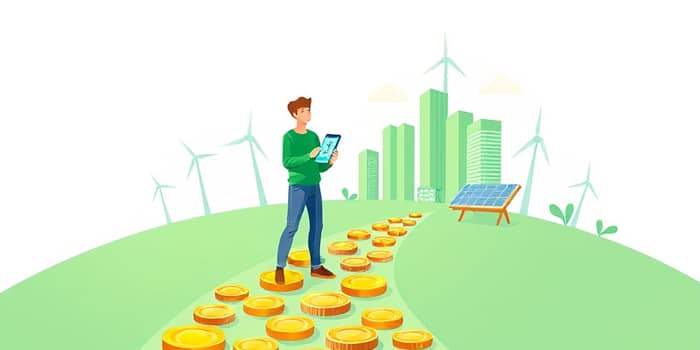
In today's rapidly evolving world, building a resilient personal economy is essential for navigating uncertainty and securing your well-being.
This journey blends everyday financial strategies with forward-thinking sustainability, empowering you to thrive in 2026 and beyond.
By integrating practical steps with global trends, you can create a future that is both prosperous and responsible.
Laying the Groundwork: Financial Foundation and Planning
Start by establishing a clear vision for your financial life.
Set purposeful goals that align with your values and adapt to life's inevitable changes.
- Short-term goals: Focus on debt payoff and building an emergency fund covering 3-6 months of expenses.
- Medium-term goals: Save for milestones like a home purchase or business startup over 2-5 years.
- Long-term goals: Prioritize retirement and education savings for security beyond 5 years.
Automation is key to consistent and effortless wealth accumulation over time.
Use tools to schedule payments and savings, ensuring you stay on track without daily effort.
Mastering Debt Management for Freedom
Debt can feel overwhelming, but with a strategic approach, you can reclaim control.
List all your debts to gain a clear picture of what you owe.
- Avalanche method: Pay off highest interest debts first to minimize total interest paid.
- Snowball method: Tackle smallest balances first for quick wins and motivation.
Aggressively manage high-interest credit cards while continuing to save for emergencies.
Refinance loans when possible to secure lower rates and reduce financial strain.
Securing Your Future: Savings and Retirement
Pay yourself first by automating contributions to your savings accounts.
Aim to save 15% of your pre-tax income specifically for retirement, including any employer matches.
- Utilize tax-advantaged accounts like 401(k)s, IRAs, or SEP IRAs to maximize growth.
- Consider Health Savings Accounts (HSAs) for qualified medical expenses and tax benefits.
- Stretch your savings with smart tax strategies and regular portfolio reviews.
This approach helps bridge the retirement gap and ensures long-term security.
Building Cash and Portfolio Resilience
Maintain appropriate cash levels to weather unexpected expenses or market downturns.
Use certificate of deposit (CD) or bond ladders to manage interest rate risks effectively.
- For freelancers or gig workers, set aside 30% of earnings for taxes to avoid surprises.
- Build a robust emergency fund of 3-6 months' expenses to cushion income fluctuations.
This fortifies your finances against personal and economic shocks.
Embracing Sustainable Investing Trends for 2026
Sustainable investing is no longer a niche; it's a resilient growth opportunity for savvy individuals.
The market for sustainable fund assets has reached $3.7 trillion, with green bonds growing to €1.9 trillion.
Climate adaptation presents a $9 trillion opportunity by 2050, highlighting the scale of potential.
Invest in sectors that reduce emissions and align with global taxonomies for impact.
- Explore nature-based projects like the Tropical Forest Forever Facility, which allocates $4 billion annually.
- Leverage AI tools for enhanced ESG insights and decision-making in your portfolio.
Regional trends show Europe increasing impact allocations, while Asia-Pacific sees record sustainable debt.
Navigating Risks and Challenges with Pragmatism
Geopolitical headwinds, such as ESG backlash in some regions, require a balanced approach.
Integrate scenario analysis to price climate, biodiversity, and social risks into your financial plans.
- View sustainability as near-term resilience for your portfolio against physical and regulatory risks.
- Monitor trends like European sovereignty in energy and climate for capital mobilization cues.
Insurance costs may rise due to climate impacts, so factor this into your budgeting.
Practical Integration: Side Hustles and Income Diversification
With rising freelance trends, diversifying income streams can bolster your personal economy.
Allocate earnings from side hustles wisely: prioritize taxes, then savings and investments.
Invest small, consistent amounts to harness the power of compound growth over time.
Use automation to streamline contributions and reduce the mental load of managing finances.
Embrace innovation, such as digital tools for budgeting and sustainable investing insights.
By balancing immediate needs with future opportunities, you craft a legacy of stability and purpose.
References
- https://www.spglobal.com/sustainable1/en/insights/2026-sustainability-trends
- https://www.axa-im.com/investment-institute/market-views/annual-outlook/sustainable-investing-2026-continuing-path-more-resilient-future
- https://corporateknights.com/responsible-investing/five-sustainable-finance-predictions-for-2026/
- https://www.lw.com/en/insights/esg-and-sustainability-insights-10-things-that-should-be-top-of-mind-in-2026
- https://www.allianzgi.com/en/insights/outlook-and-commentary/sustainable-investing
- https://privatebank.jpmorgan.com/nam/en/insights/markets-and-investing/ideas-and-insights/get-ready-for-2026-make-these-10-planning-moves-now
- https://www.northwesternmutual.com/life-and-money/simple-resolutions-to-unlock-your-financial-potential-in-2026/
- https://trellis.net/article/3-sustainability-strategies-for-2026/
- https://www.fidelity.com/learning-center/personal-finance/2026-money-trends
- https://www.sequoia-financial.com/insights/setting-and-sticking-to-your-financial-goals-in-2026/
- https://towlerassociates.com/blog/setting-financial-goals-for-2026/
- https://servicecu.org/resources/blog/detail/do-this--not-that--financial-wellness-tips-to-plan-your-2026-money-goals/
- https://www.responsible-investor.com/ri-editorial-outlook-five-sustainable-finance-trends-for-2026/